

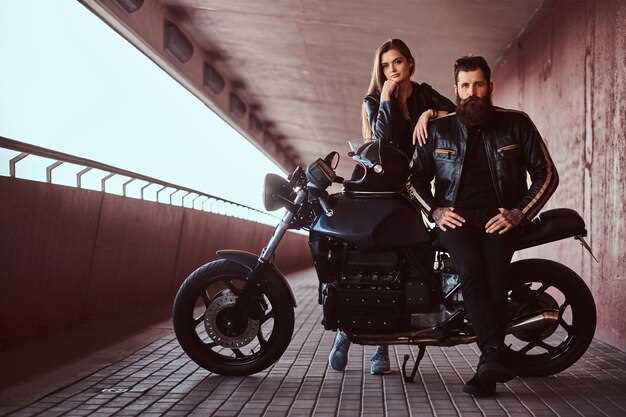
When it comes to the realm of motorcycles, European brands have carved out a significant reputation for their engineering excellence, innovative designs, and performance capabilities. This article aims to provide a comprehensive comparison of some of the leading European motorcycle manufacturers, exploring their unique features and what sets them apart in the competitive landscape of motorcycling.
From the iconic machines of Italy to the robust designs of Germany and the agile creations of the UK, each brand embodies a distinct philosophy and approach to motorcycle manufacturing. Understanding these differences is essential for potential buyers and enthusiasts alike, as it highlights how various factors, such as heritage, technology, and rider preference, contribute to the diversity in the European motorcycle industry.
By examining the notable characteristics of these brands, we can better appreciate the craftsmanship and innovation that define the European motorcycle scene. In this article, we will delve into the attributes that make each brand unique and influential, guiding readers through the complex yet fascinating world of European motorcycles.
In-Depth Look at German Engineering in Motorcycles
German engineering is synonymous with precision, durability, and innovation, especially in the realm of motorcycles. European brands such as BMW and Triumph epitomize this excellence through their meticulous design and advanced technological integration.
One of the hallmarks of German motorcycles is the focus on performance and safety. The use of advanced materials, such as aerospace-grade aluminum and carbon fiber, ensures not only lightweight construction but also rigidity and resilience under various riding conditions. This commitment to quality is evident in models like the BMW R1250GS, which combines power with exceptional handling capabilities.
Another distinct feature of German motorcycles is their emphasis on cutting-edge technology. Many brands incorporate sophisticated electronics, including traction control systems, anti-lock braking systems (ABS), and dynamic ride modes. These enhancements elevate the riding experience by providing superior stability and increased rider confidence.
Furthermore, ergonomics play a crucial role in German motorcycle design. Comfortable seating positions, adjustable handlebars, and optimized footpeg placements are tailored for long-distance riding, making them suitable for a broader audience. This focus on rider comfort ensures that motorcycles are not just machines but also reliable partners for travel across diverse terrains.
German engineering also showcases a legacy of heritage and craftsmanship. The attention to detail in construction, from engine design to the finishing touches, reflects a commitment to producing bikes that are as aesthetically pleasing as they are functional. Models like the Ducati Panigale V4 illustrate how German-inspired engineering can influence even Italian designs, demonstrating the interconnectedness of the European motorcycle industry.
In summary, the reputation of German motorcycles is built on a foundation of rigorous engineering, innovative technology, and a deep appreciation for rider experience. These attributes set them apart in the competitive European market, ensuring that they continue to lead in engineering excellence.
Italian Design and Performance: A Comparative Analysis
Italian motorcycles are renowned for their distinctive design and high-performance capabilities. This analysis aims to compare various leading Italian brands, focusing on their unique features and how they influence the overall riding experience.
The following are key characteristics that set Italian motorcycles apart from their competitors:
- Aesthetics: Italian designs prioritize elegance and style. Brands like Ducati and Aprilia incorporate sleek lines and bold colors, making their bikes visually striking.
- Attention to Detail: Craftsmanship is at the forefront of Italian design philosophy. Components are meticulously designed for both function and form, enhancing the bike’s overall aesthetic appeal.
- Performance Engineering: Italian manufacturers emphasize high-performance engines that deliver impressive power and torque. This results in motorcycles that provide thrilling acceleration and responsiveness.
To illustrate these points, let’s compare two iconic Italian brands: Ducati and MV Agusta.
- Ducati:
- Design: Known for the L-twin engine, the design is both aggressive and aerodynamic.
- Performance: Features advanced electronics, including traction control and ride modes, enhancing stability and safety during high-speed rides.
- MV Agusta:
- Design: MV Agusta bikes are often described as works of art, showcasing intricate detailing and sophisticated color schemes.
- Performance: Equipped with powerful inline engines, MV Agusta offers a unique blend of performance and handling, particularly suited for twisty roads and racetracks.
Both brands exemplify Italian design and performance; however, they cater to different types of riders. Ducati appeals to those seeking an aggressive ride with cutting-edge technology, while MV Agusta targets enthusiasts who appreciate artistry alongside raw power.
In conclusion, Italian motorcycles stand out in the global market due to their unique blend of design and performance. The comparison of brands such as Ducati and MV Agusta highlights the diverse approach within Italy’s motorcycle industry, allowing riders to choose motorcycles that best fit their style and performance preferences.
British Heritage in Motorcycling: Iconic Models and Innovations
The British motorcycle industry has a rich history, characterized by unique designs and groundbreaking innovations that have influenced the global market. Iconic brands such as Triumph, BSA, and Norton have left an indelible mark on motorcycling, setting standards that continue to resonate in today’s European motorcycle landscape.
Triumph’s Bonneville, introduced in the 1950s, epitomizes the classic British motorcycle. Its distinctive parallel-twin engine and timeless aesthetics have made it a beloved choice among enthusiasts. The Bonneville’s design is a perfect blend of form and function, showcasing British craftsmanship and engineering prowess. In comparison to contemporary models, the Bonneville’s retro styling evokes a sense of nostalgia while incorporating modern technology for enhanced performance.
BSA’s Gold Star, another legendary model, gained fame in the 1950s due to its racing success. Known for its lightweight frame and powerful single-cylinder engine, the Gold Star exemplified British innovation in motorcycle design. Its impact on the racing scene set a benchmark for performance that was unchallenged by many European counterparts at the time. The focus on speed and agility has ensured its place in motorcycling history.
Norton, with its Commando series, introduced the concept of a high-performance motorcycle accessible to everyday riders. The Commando’s innovative isolastic frame reduced vibration, enhancing rider comfort during long journeys. This engineering advancement placed Norton at the forefront of motorcycle technology, allowing it to compete effectively in the European market.
Collectively, these iconic models illustrate the profound influence of British heritage in motorcycling. The combination of aesthetic appeal, engineering excellence, and a commitment to innovation has shaped the identity of the British motorcycle industry. Today, as manufacturers look to the past for inspiration, the legacy of these classic models continues to play a crucial role in defining what it means to ride a motorcycle.