

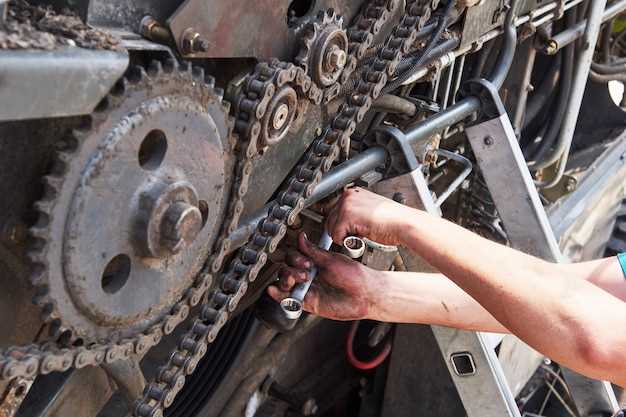
Maintaining your motorcycle is essential for both performance and safety, and one of the critical components that requires regular attention is the chain. Over time, the chain can become worn, leading to potential performance issues and unsafe riding conditions. Recognizing the signs of a deteriorating chain is crucial for any motorcycle enthusiast.
A healthy motorcycle chain plays a vital role in transferring power from the engine to the wheels. If you ignore the signs of wear, you risk not only damaging the chain but also other components of your motorcycle, like the sprockets. Understanding when it’s time to replace your motorcycle chain can save you money and ensure a smoother ride.
In this article, we will explore the key indicators that reveal your motorcycle chain may be worn and in need of replacement. From unusual noises to visible signs of damage, knowing what to look for will help you maintain your bike in optimal condition.
Identifying Physical Signs of Wear on Your Motorcycle Chain
Regular maintenance of your motorcycle chain is crucial for optimal performance and safety. Over time, chains can become worn and develop physical signs that indicate it’s time for a replacement. Being able to identify these signs early can save you from more significant issues down the road.
One of the most common indicators of a worn chain is visible elongation. When you inspect your chain, look for areas where it has stretched beyond its recommended limits. A chain that has elongated significantly can affect your bike’s performance and lead to premature wear on sprockets.
Another telltale sign is rust or corrosion. If you notice any rust spots on the chain links or on the rollers, it’s a clear indication that the chain might be compromised. Corrosion weakens the structural integrity of the chain and can lead to failure if not addressed promptly.
Cracking or fraying on the chain links or plates should not be overlooked. Inspect the surface for any signs of wear, as cracks can cause the chain to snap while riding, posing significant safety risks. Additionally, pay attention to any unusual sounds such as grinding or rattling that may signify internal damage.
Finally, observe the links’ flexibility. When you manipulate the chain, it should move smoothly without stiffness. If you notice any links that are stiff or do not move freely, this could indicate that the chain is worn and should be replaced soon.
In conclusion, being vigilant and recognizing these physical signs of wear will help ensure the longevity and reliability of your motorcycle chain, keeping you safe on the road. Regular inspections and maintenance are essential to avoid costly repairs and ensure a smooth ride.
Understanding Chain Stretch and Its Impact on Performance

Chain stretch is a natural phenomenon that occurs in motorcycle chains over time due to wear and tension. As you ride, the stress and strain placed on the chain lead to elongation. This can significantly influence the overall performance of your motorcycle.
A stretched chain can result in various issues, including poor acceleration, decreased fuel efficiency, and even compromised safety. When the chain stretches, it alters the gearing ratio, which can make it difficult to maintain optimal power transfer from the engine to the rear wheel. This inefficiency can impede your motorcycle’s ability to deliver the performance you expect.
Regular maintenance is essential to monitor chain condition. Measuring the chain’s elongation is one way to determine if it needs replacement. If the chain stretches beyond the manufacturer’s specified limits, it is crucial to replace it. Ignoring this aspect of maintenance can lead to premature wear on other components, such as the sprockets and rear axle, resulting in more costly repairs down the line.
In summary, understanding chain stretch is vital for maintaining your motorcycle’s performance. Regular inspection and timely replacement can enhance your riding experience and ensure the longevity of your motorcycle’s drivetrain.
Evaluating Chain Noise and its Indications for Replacement

Your motorcycle chain is crucial for optimal performance, and its condition can significantly affect your riding experience. One of the most telling signs of a worn chain is the noise it produces during operation. A properly maintained chain should operate smoothly and quietly; however, as a chain ages, it can develop several types of noise that indicate it may be time for replacement.
Firstly, if you notice a grinding or clattering sound while riding, it could signify that the chain has worn beyond its acceptable limits. This noise often results from increased friction and irregular movement due to stretched links or damaged rollers. Regular maintenance, including lubrication, can mitigate some noise, but if these sounds persist despite proper care, it’s a strong indication of wear.
In addition to unexpected sounds, listen for any unusual rattling noise that may occur during acceleration or deceleration. A noisy chain could mean it’s not sitting properly on the sprockets, indicating that the chain has elongated and lost its initial tension. This is a direct result of wear and can lead to further damage if not addressed promptly.
If you’re observing a combination of excessive noise along with other signs like poor shifting performance or visible damage, it’s essential to evaluate the overall condition of the chain. Delaying replacement can lead to more severe maintenance issues for your motorcycle, making it vital to act upon these auditory warnings.
In summary, chain noise is a significant indicator of its condition and warrants careful attention. A thorough evaluation of any disruptive sounds and the implementation of timely maintenance can ensure that you maintain the efficiency and safety of your motorcycle.