

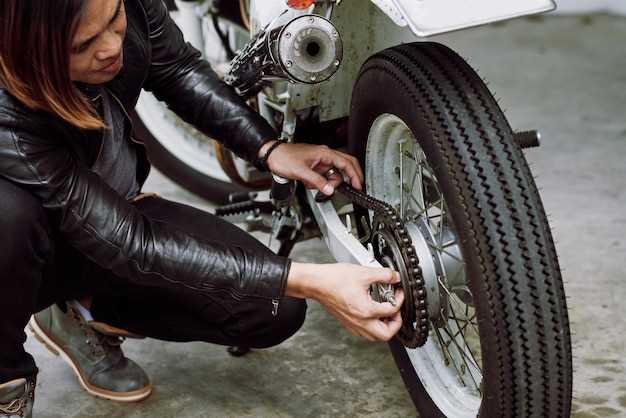
Encountering a flat tire while riding your motorcycle can be a daunting experience, especially if it happens on a remote roadside. Knowing how to address this issue can save you time and frustration, ensuring you get back on the road quickly and safely. A flat tire doesn’t have to be a catastrophic event; with the right approach and tools, you can tackle this problem efficiently.
In this guide, we will outline a detailed, step-by-step process for fixing a flat tire on your motorcycle. Whether you’re a seasoned rider or a beginner, understanding the essentials of this task is crucial. We’ll cover everything from identifying the cause of the flat to properly repairing or replacing the tire, so you’re equipped to handle roadside emergencies with confidence.
Preparing for unexpected situations is part of being a responsible motorcycle owner. By mastering the art of tire repair, you’ll enhance your riding experience and maintain your motorcycle in peak condition, ready for any adventure that lies ahead.
Identifying the Cause and Location of the Flat Tire
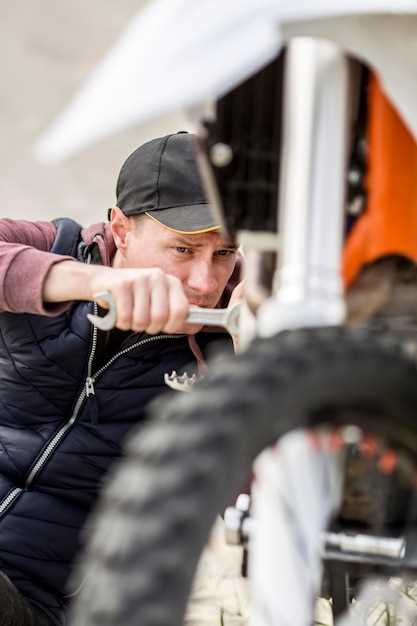
Before proceeding with any repair, it is crucial to accurately identify both the cause and the location of a flat tire. Begin by carefully inspecting the tire for any visible signs of damage, such as punctures, cuts, or embedded objects like nails or screws. These could be the direct cause of the deflation.
Next, examine the tire’s sidewall and tread area thoroughly. A flat tire may sometimes result from a slow leak due to a small puncture that is not immediately visible. Submerging the tire in water or spraying it with soapy water can help reveal hidden leaks; look for bubbles forming at the source of the air escaping.
Additionally, ensure that the valve stem, where the air is inflated, is sealed and functioning properly. A damaged or loose valve can also be a reason for a flat, causing air to escape gradually.
If the tire appears intact yet still flat, it might be experiencing an issue like bead leakage or a separation between the tire and the rim. In such cases, it may require additional inspection to determine the best approach for repair.
Identifying the flat’s cause accurately is essential for effective repair. Understanding whether it’s a result of a puncture, valve stem issue, or other factors will guide you in selecting the appropriate repair materials and techniques, ensuring a safe and lasting fix for your motorcycle tire.
Tools and Materials Needed for Roadside Tire Repair
When faced with a flat tire while on the road, having the right tools and materials at your disposal is crucial for an effective roadside repair. First and foremost, you will need a high-quality tire repair kit. These kits typically include tire plugs, a reamer, and a plug insertion tool, which are essential for sealing punctures securely.
A portable air compressor or a hand pump is also necessary to reinflate the tire after the repair. Some kits come with a compact air pump designed specifically for motorcycle tires, making it easier for you to manage your tire’s pressure. Additionally, a pressure gauge is important for monitoring the air pressure during inflation to ensure it meets the manufacturer’s specifications.
Besides the repair kit and inflation tools, you should carry basic hand tools such as a wrench and screwdrivers. These will assist you in removing the wheel if further inspection is needed or if you encounter a more complicated issue. A set of tire levers can simplify the process of removing and reinstalling the tire when necessary.
Lastly, consider packing a flashlight or headlamp, especially if you find yourself dealing with a flat tire in low-light conditions. Keeping a tire patch or sealant can also be useful as a temporary fix, providing you with a backup option until you reach a repair shop. Being prepared with these tools and materials can make a significant difference when you’re handling a flat tire roadside.
Step-by-Step Instructions for Repairing Your Motorcycle Tire
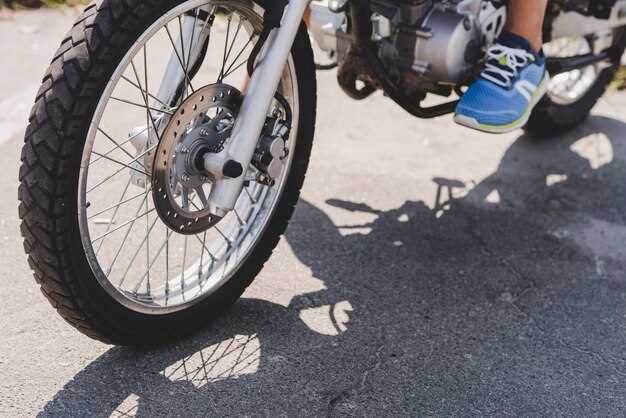
When you find yourself with a flat tire while out on the road, knowing how to repair it can save you time and ensure your safety. Follow these detailed instructions to effectively handle a tire repair on the roadside.
- Assess the Damage:
Before you begin any repair, carefully inspect the tire to determine the extent of the damage. Look for punctures, cuts, or cracks. If the tire is severely damaged or if the sidewall is compromised, a replacement may be necessary.
- Gather Your Tools:
You will need the following tools for the repair:
- Tire levers
- Puncture repair kit
- Air compressor or hand pump
- Soapy water (for checking leaks)
- Gloves (optional)
- Remove the Wheel:
For most motorcycles, you’ll need to lift the bike and remove the wheel to access the tire. Follow these steps:
- Secure the motorcycle on a stable surface.
- Use a jack or stands if available.
- Loosen the axle nut and remove the wheel carefully.
- Remove the Tire:
Use the tire levers to separate the tire from the rim. Here’s how:
- Insert one lever under the bead of the tire and push down to lift it over the rim.
- Repeat with a second lever a few inches away from the first.
- Work your way around the tire until it is completely off the rim.
- Repair the Puncture:
Using the puncture kit, follow these steps:
- Clean the area around the puncture.
- Follow the kit instructions to insert the plug into the hole.
- Trim the excess plug material, ensuring a smooth surface.
- Reinstall the Tire:
Once the repair is complete, put the tire back onto the rim:
- Begin by inserting one side of the tire bead into the rim.
- Use tire levers to work the other bead back over the rim.
- Inflate the Tire:
Ensure the tire is properly seated on the rim before inflating it:
- Use the air compressor or hand pump to inflate the tire to the recommended pressure.
- Check for leaks by applying soapy water to the repair site; bubbles will form if there’s still a leak.
- Reattach the Wheel:
Once the tire is inflated correctly, reattach the wheel to the motorcycle:
- Align the wheel with the motorcycle frame.
- Secure the axle nut tightly.
By following these steps, you can successfully repair a flat tire on your motorcycle, allowing you to continue your ride safely. Remember to always carry a repair kit and familiarize yourself with the process before hitting the road.